
With new skincare trends appearing almost every week, it’s easy to feel overwhelmed by the number of products promising healthier, brighter and younger-looking skin.
But a good skincare routine doesn’t have to involve endless products or complicated steps. Sometimes, understanding what’s actually in your skincare is a better place to start.
From soothing oats to nourishing plant oils, many natural ingredients have been used in beauty routines for generations. And while natural doesn’t always mean better, certain botanical ingredients can make a useful addition to your everyday skincare.
Here are five worth getting to know.
1. Oats
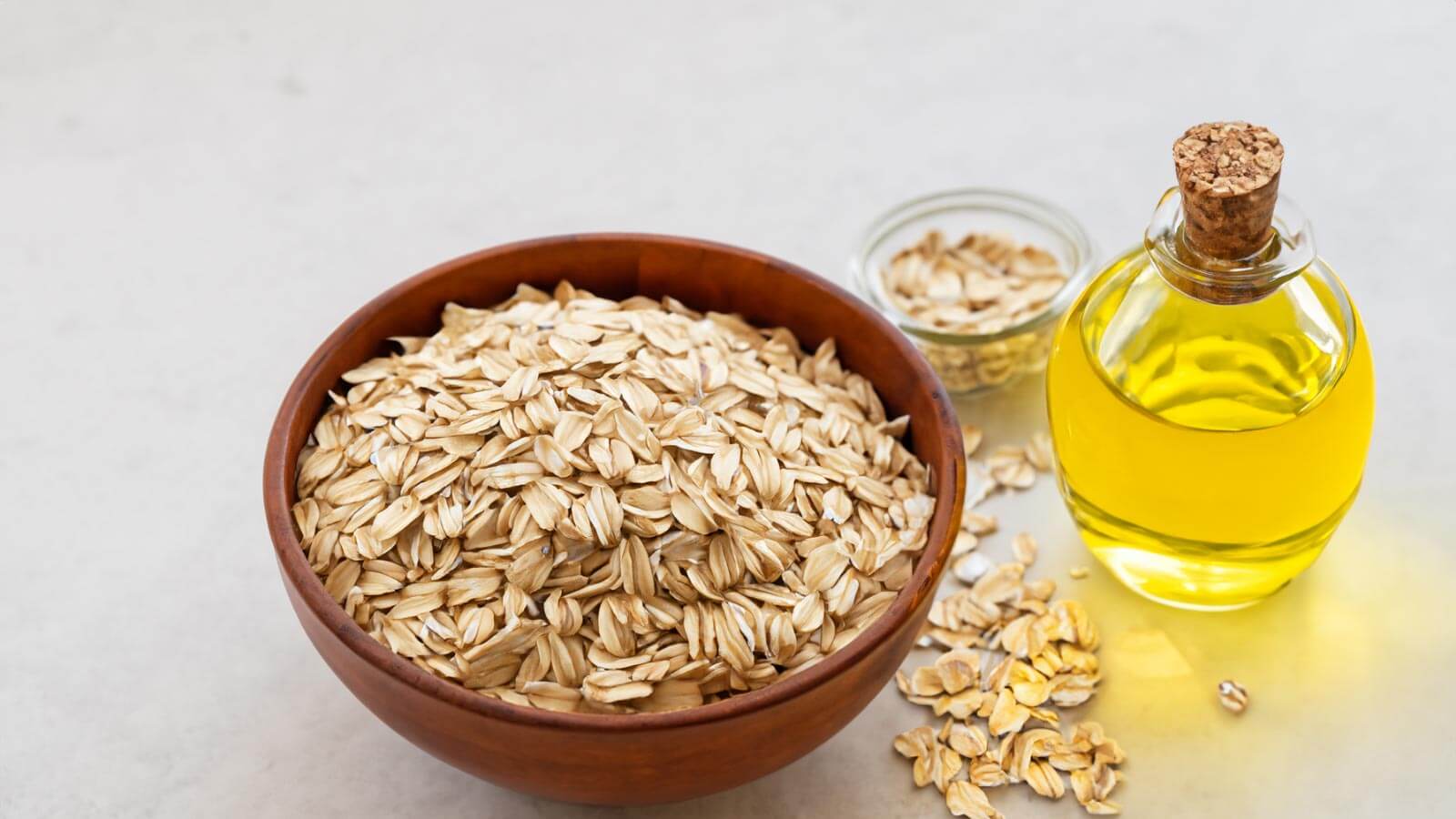
You probably associate oats with breakfast, but they’ve also earned their place in skincare.
Oat-based ingredients are particularly popular in products designed for dry or sensitive skin. Colloidal oatmeal, for example, is widely used to help soothe dryness and support the skin’s natural moisture barrier.
Oat extracts and oils can also be found in cleansers, moisturisers and body products.
If your skin often feels tight or uncomfortable after washing your face, looking for a gentle, moisturising cleanser containing oat-derived ingredients could be a good starting point.
One product worth exploring is the Napiers Scottish Oat Cleansing Balm. It combines Scottish oat ingredients with botanical oils, including jojoba, in a balm designed to remove makeup, sunscreen and everyday impurities.
It’s an interesting example of how traditional ingredients can fit into a modern skincare routine without adding unnecessary steps.
Tip: Avoid using very hot water when cleansing, particularly if your skin is prone to dryness.
2. Rose Water
Rose water has been used in traditional beauty practices for centuries, and it’s still found in plenty of modern skincare products.
Often included in facial mists and toners, rose water is popular for its refreshing feel and delicate floral scent.
While it isn’t a substitute for moisturiser, it can be a pleasant addition to your routine, particularly if you enjoy using a lightweight facial mist.
Brands such as Weleda and other botanical skincare companies have helped maintain interest in plant-based beauty ingredients, although the benefits of individual products depend on their complete formulations.
One thing to remember is that fragrance, including naturally derived fragrance, can irritate some people’s skin. If you’re particularly sensitive, a fragrance-free formula may be a better choice.
Tip: Apply your usual moisturiser after using a facial mist to help keep your skin hydrated.
3. Jojoba Oil
Not all facial oils leave your skin feeling greasy.
Jojoba oil is a popular ingredient in skincare because of its lightweight texture and its ability to help soften and condition the skin.
Interestingly, jojoba oil is technically a liquid wax rather than a conventional plant oil.
Its composition makes it useful in products designed to help reduce moisture loss, which is particularly helpful when your skin feels dry or uncomfortable.
You’ll find jojoba in everything from facial moisturisers and cleansing balms to lip products and body lotions.
If you prefer simple skincare, there’s no need to use a separate facial oil just because it’s trending. Instead, look at whether your existing moisturiser already contains ingredients that help keep your skin comfortable.
Tip: If you’re introducing facial oils into your routine, start with a small amount and see how your skin responds.
4. Calendula
Calendula, often known as pot marigold, is another ingredient with a long history in herbal skincare.
Extracts from the plant are commonly included in creams, balms and lotions designed for dry or delicate skin.
It’s frequently associated with soothing skincare, although the evidence supporting specific benefits varies depending on the formulation and intended use.
Calendula-based skincare is particularly popular among people who enjoy traditional botanical products and prefer straightforward daily routines.
However, it’s worth being careful if you have known allergies to plants in the daisy family, as calendula may cause reactions in some individuals.
Tip: Always check the full ingredients list rather than assuming a botanical product will automatically be suitable for sensitive skin.
5. Frankincense
Frankincense might be more familiar as an aromatic resin, but it also appears in a variety of skincare products.
Traditionally used in fragrances and wellbeing practices, frankincense-derived ingredients are often incorporated into creams, facial oils and products marketed towards mature skin.
Its long history makes it an interesting ingredient for anyone exploring botanical beauty.
However, claims that frankincense can reverse skin ageing or eliminate wrinkles aren’t supported by strong clinical evidence.
When choosing a moisturiser containing frankincense, it’s more useful to consider the overall formula, particularly the moisturising ingredients and whether it’s appropriate for your skin type.
For instance, a well-formulated moisturiser containing humectants and emollients may help your skin feel softer and more comfortable, regardless of whether it contains traditional botanical extracts.
Tip: Don’t overlook the basics. Daily sun protection, gentle cleansing and regular moisturising remain important parts of caring for your skin.
Is Natural Skincare Really Better for Your Skin?
Natural skincare has become increasingly popular, with brands such as The Ordinary, Weleda and traditional herbal specialists contributing to wider conversations about ingredients, transparency and simpler beauty routines.
But there’s an important distinction between natural skincare and effective skincare.
Just because an ingredient comes from a plant doesn’t automatically make it safer or more beneficial than a laboratory-developed alternative.
Some natural ingredients can cause irritation, while certain synthetic ingredients have extensive research supporting their effectiveness and safety.
The best approach is to focus on your skin’s needs rather than choosing products based purely on whether they’re labelled natural.
If you have dry skin, for example, ingredients that help retain moisture may be more useful than a product containing a long list of botanical extracts.
Similarly, if you’re prone to irritation, a simple fragrance-free moisturiser could be more suitable than a heavily scented herbal cream.
How to Build a Simple Skincare Routine
If you’re interested in introducing more botanical ingredients into your skincare, there’s no need to replace everything you currently use.
A simple approach is often the easiest to maintain.
Start with a gentle cleanser that removes daily impurities without leaving your skin uncomfortable.
Follow with a moisturiser appropriate for your skin type, ideally containing ingredients that help maintain hydration.
During the day, finish with broad-spectrum sun protection.
Beyond these basics, you can explore additional ingredients depending on your preferences and any specific skin concerns.
You might discover that a cleansing balm containing oats suits your routine, or that a moisturiser with jojoba oil leaves your skin feeling particularly comfortable.
The important thing is introducing products gradually rather than changing everything at once.
A Simpler Approach to Skincare
With so many products and trends competing for attention, it’s easy to forget that skincare doesn’t need to be complicated.
Traditional ingredients such as oats, rose water, jojoba, calendula and frankincense offer interesting options for anyone curious about botanical beauty.
But the most effective routine isn’t necessarily the one with the most natural ingredients or the longest list of products.
It’s the one that suits your skin, feels comfortable to use and fits into your everyday life.
Leave a Reply