
We live in an age of screens, structured activities and carefully managed schedules. In this environment, something as simple as letting a child roam freely outdoors has become, for many families, a deliberate act of resistance. But the evidence for the value of outdoor time is so strong that it is worth fighting for.
The Physical Case
The statistics on childhood fitness are sobering. Rates of obesity, vitamin D deficiency and sedentary behaviour among children in the UK have risen steadily over recent decades. Regular outdoor play, even without any formal sport, addresses all three.
Running, climbing, jumping and carrying things outside engages the whole body in ways that indoor play rarely does. It builds strength, coordination and the physical confidence that underpins a healthy relationship with movement throughout life.
The Mental Health Case
There is now strong evidence linking time in natural environments with reduced anxiety, improved mood and better attention. Studies with children who have ADHD have shown particularly striking results, with time in green spaces reducing symptoms significantly.
In many well-rounded educational environments outdoor learning is woven throughout the curriculum, not treated as a reward or a break from real education but as a vital part of it. Kew College recognises that children learn differently when they are outside, and that the natural world is one of the richest classrooms available.
Simple Ways to Get Outside More
You do not need to plan ambitious expeditions. Some of the most valuable outdoor time is entirely unstructured. Here are a few approaches that work for busy families:
- Make outdoor time a non-negotiable part of the daily routine, like teeth brushing. Even twenty minutes after school makes a difference.
- Reduce the number of organised activities and leave more time for free play in gardens, parks or local green spaces.
- Get involved yourself. Children are far more likely to want to be outside if the adults in their lives model enthusiasm for it.
- Try a weekly nature challenge: finding five different types of leaf, spotting a particular bird or building something from natural materials.
Managing the Weather
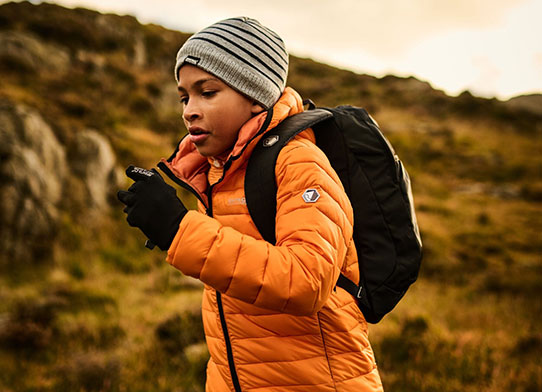
British weather is a common excuse for staying indoors. Invest in good waterproofs and wellies and adopt the Scandinavian mindset: there is no such thing as bad weather, only inappropriate clothing.
Children who grow up going outside regardless of the weather develop a resilience and relationship with the natural world that fair-weather outdoor time simply cannot build.
The Bigger Picture
A generation that has grown up predominantly indoors is also growing up increasingly disconnected from the natural world. That disconnection has consequences not only for individual wellbeing but for society’s relationship with the environment.
Getting children outside is not a small thing. It is an investment in their health, their happiness and their sense of belonging in the world.
Leave a Reply