
Helping your child understand and manage their emotions is one of the most important parts of parenting. Children who can express how they feel are often more resilient, empathetic, and confident. But emotional conversations can feel daunting—especially if you didn’t grow up talking openly about feelings yourself. Here’s how to support your child’s emotional development in a healthy, age-appropriate way.
Start Early and Keep It Simple
It’s never too early to talk about emotions. Even toddlers benefit from hearing words like “happy”, “sad”, “angry”, or “excited”. This prep school in Essex recommends to start by labelling feelings as they arise: “I can see you’re feeling frustrated because your toy isn’t working” or “You look really happy playing with your friend.”
Use simple, concrete language and repeat emotional vocabulary often. The more familiar these words become, the easier it is for children to identify their own feelings and communicate them to others.
Model Emotional Awareness
Children learn most effectively by observing the adults around them. Show them that it’s OK to experience and talk about a wide range of emotions. For example, say things like: “I’m feeling a bit stressed today, so I’m going to take a few deep breaths” or “I felt proud when you helped your brother tidy up.”
By modelling healthy emotional habits, you’re teaching your child that emotions are normal and manageable.
Validate, Don’t Dismiss
When your child is upset, avoid rushing to “fix” things or brushing their feelings aside with phrases like “Don’t cry” or “You’re fine.” Instead, show empathy: “That sounds really upsetting” or “I understand why you’re feeling that way.”
Validation helps children feel heard and accepted, which builds trust and encourages more open communication in the future.
Use Stories and Play
Books, stories, and imaginary play are brilliant tools for exploring emotions in a safe, engaging way. Choose picture books that explore different feelings and talk about how the characters might be feeling and why. You can ask questions like: “Why do you think she was nervous?” or “What do you do when you feel lonely?”
Role-playing or using toys to act out emotional scenarios can also help your child practise empathy and emotional problem-solving.
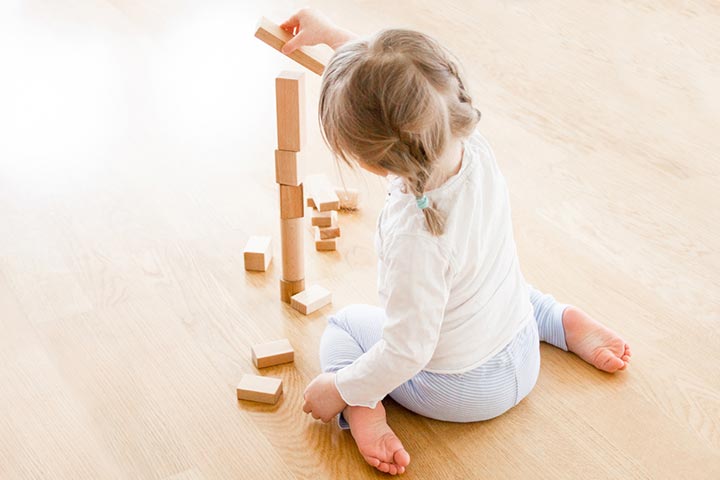
Encourage Expression Through Creative Outlets
Not all children are comfortable talking about their emotions directly. Drawing, painting, music or dance can provide powerful outlets for emotional expression. Keep materials easily available and encourage your child to explore how they’re feeling through creativity.
You could say: “Can you draw how your day felt?” or “Let’s make up a song about how you’re feeling today.”
Create a Safe and Supportive Environment
Children are more likely to talk about their emotions when they feel safe, accepted, and not judged. Make time for regular one-on-one conversations, listen without interrupting, and reassure your child that all feelings are welcome—even the difficult ones.
Let them know it’s OK to have big feelings, and that you’re there to help them work through them together.
Helping your child develop emotional intelligence takes time and patience, but the benefits are long-lasting. With gentle guidance and everyday conversations, you can equip your child with the skills they need to navigate life’s ups and downs with confidence and care.
Leave a Reply